
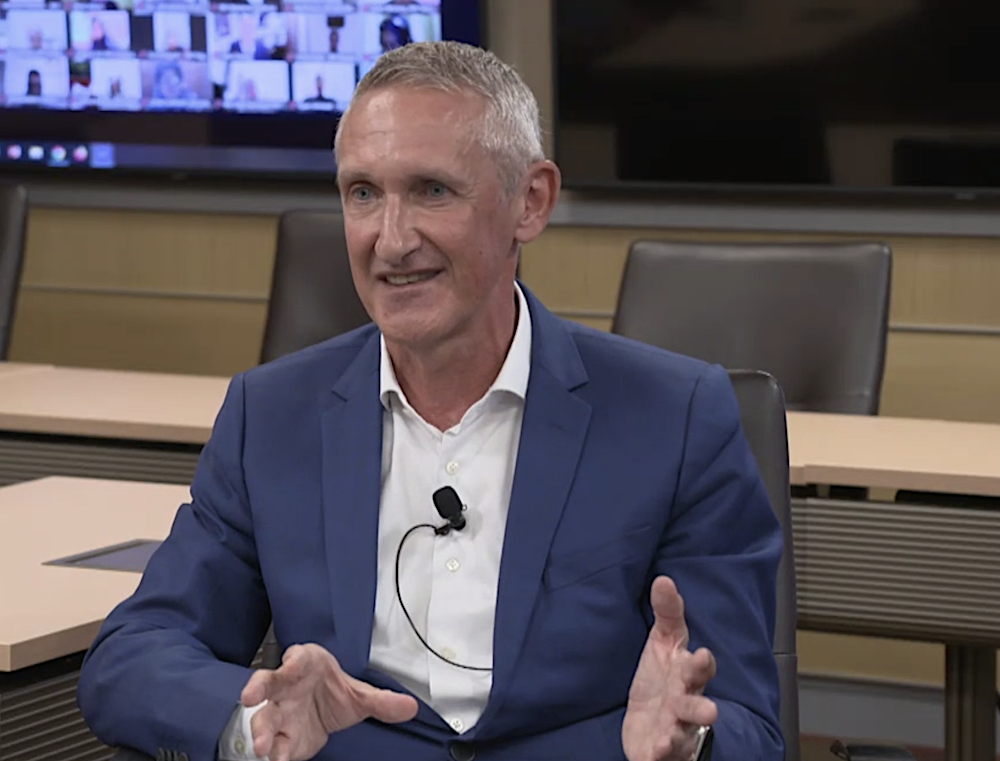
In an online forum hosted by Montreal’s HEC University (École des hautes études commerciales), the European Broadcasting Union’s Deputy Director-General Jean Philip De Tender urged broadcasters to take their time to check news in the age of Ai.
“We need slow news, as well as fast news… Slow reporting takes time to check facts, explain the background and explore solutions.
“By using Ai, we can check and verify faster now, but the downside is that Ai is also helping those who create fake news to do it faster.”
European Union broadcasters are working harder than ever to provide trusted news and debunking fake news, because we are in an age of polarisation.
“Authoritarian leaders thrive on polarisation, they love polarisation because it divides media, as well as society. When the media is divided against itself they cannot unite to debunk fake news or hold governments to account,” he said.
He made the point that big tech companies are also a threat to honest responsible news reporting because they are gatekeepers that “define access to media.” This may not be healthy for society, especially if they skew access to information for their own business interests.
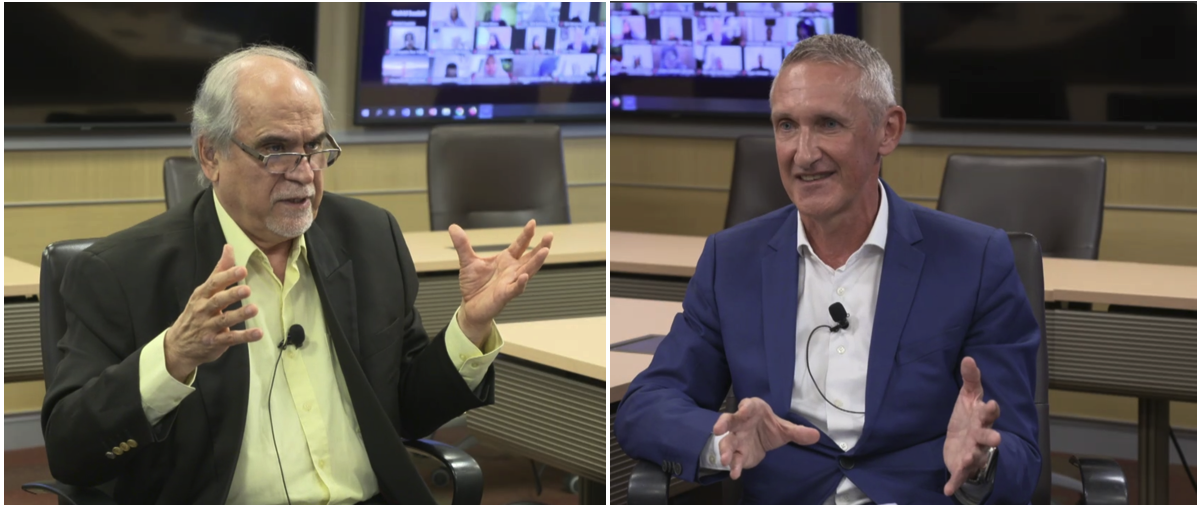
Asked about what the EBU is doing to combat fake news by the host, Javad Mottaghi, De Tender explained that 20 EBU Member broadcasters have combined together to build EBU Spotlight a collaborative network for fact-checking and open-source intelligence (OSINT) to equip public service media across Europe with the tools to counter online falsehoods and disinformation.
Key features of the Eurovision News Spotlight network include:
- OSINT & fact-checking: Collaboration on cross-border fact-checking and sharing best practices on a dedicated member-only platform.
- Resource-sharing: Participating members will have access to intelligence and information on tools and workflows to enhance their OSINT and fact-checking capabilities.
- Training & development: The network will provide courses, tutorials and interactive discussions for members – led by Eurovision News in collaboration with the EBU Academy – to expand their fact-checking and OSINT skills.
The network also produces materials to strengthen the reporting of all EBU members and raise public awareness about misinformation and ways to counter it.
The EBU Media Academy has now introduced courses for reporting in the age of Ai. The curriculum is led by Al experts and constantly updated to ensure participants learn the new skills and gain the latest knowledge to help maximise the opportunities of artificial intelligence and meet the challenges.
De Tender is positive about the future because he believes the values of public service media will offer a plurality of news to people. He says broadcasters will need to deliver content into new platforms and work with the audience as “cohosts and coproducers” of valid personalised content.
“I’m disappointed that some governments are disinvesting in public service media outlets at a time when well funded locla public service media is more important than ever… Investment in public service media is an investment in your society,” he said. “A lot of our members are struggling with this problem.”