
Radio broadcasting in Kenya is set for a major disruption after a tribunal cleared regulators to revoke multiple licenses belonging to one of the country’s largest media companies, raising concerns over newsroom stability and access to airwaves.
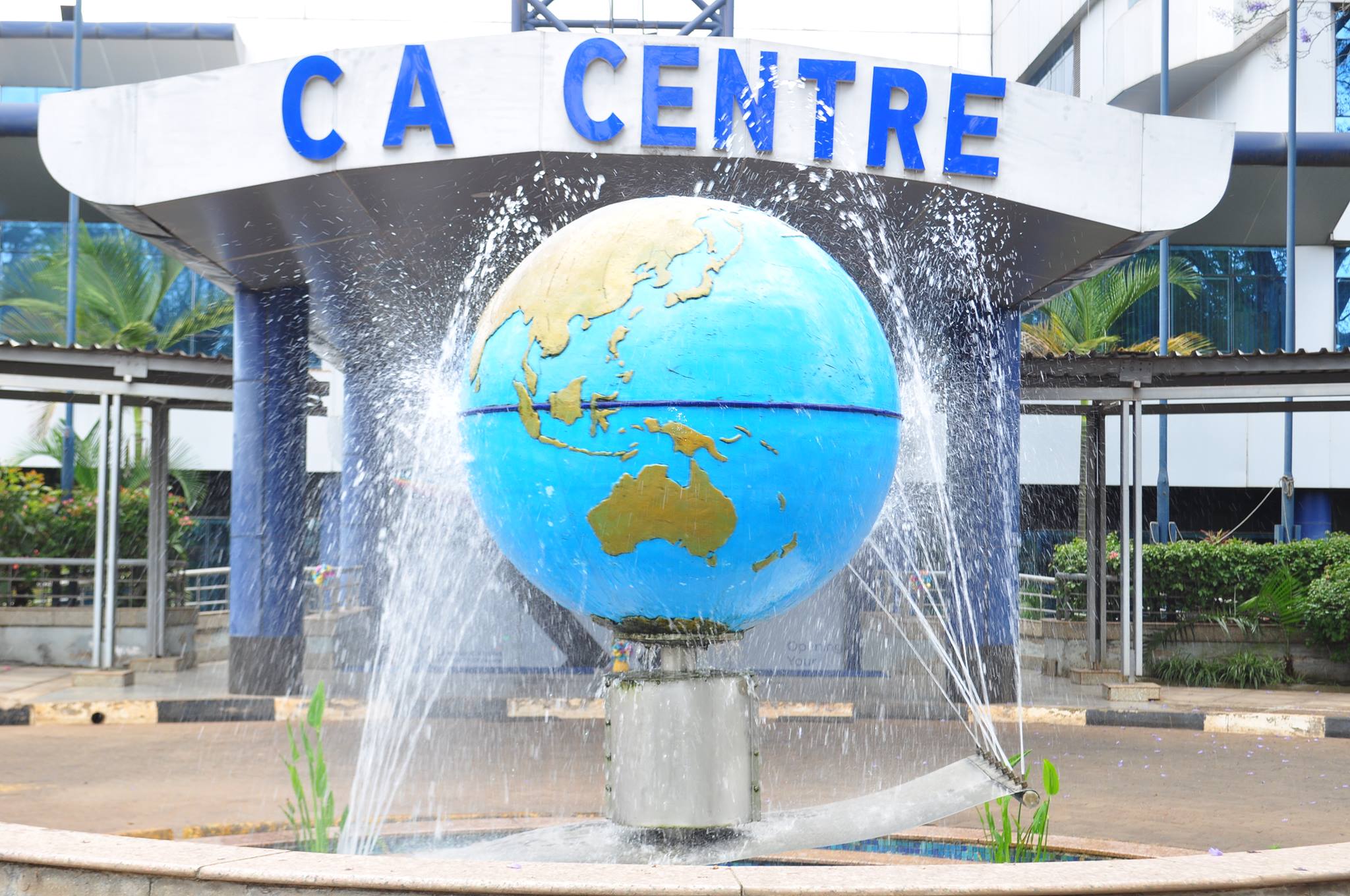
The Communications and Multimedia Appeals Tribunal ruled that the Communications Authority of Kenya acted lawfully in moving to cancel six broadcasting licenses held by the Standard Group, after the company allegedly failed to clear outstanding regulatory fees and levies totaling KSh 48.9 million.
Among the affected stations are some of Kenya’s most widely listened-to radio brands, including Radio Maisha and Spice FM, alongside television and entertainment channels such as KTN News and KTN Burudani.
The tribunal upheld earlier regulatory action by the Communications Authority of Kenya, which cited repeated non-payment of annual licensing fees and Universal Service Fund (USF) levies. According to the regulator, the media group had been issued multiple notices over several years and granted extensions but failed to fully regularize its financial obligations.
The dispute centers on a debt comprising KSh 13.9 million in license fees and nearly KSh 35 million in USF levies. The regulator argued that broadcasting frequencies are scarce public resources and must be strictly managed under national law.
In its ruling, the tribunal rejected Standard Group’s appeal, which had argued that a payment plan agreement reached in December 2024 should have prevented enforcement action. The court held that while regulatory bodies should act fairly and transparently, compliance with statutory obligations cannot be overridden by informal financial arrangements.
The tribunal also dismissed claims that the revocation violated constitutional protections on freedom of expression, stating that regulatory enforcement of licensing conditions is consistent with Kenya’s legal framework governing communications.
The Communications Authority said it had engaged the media house in multiple consultations in 2023 and 2024 before issuing formal notices of contravention and revocation.
If fully enforced, the decision could significantly reshape Kenya’s radio landscape, affecting both urban and rural audiences that rely on the stations for news, entertainment, and public affairs programming.
Media analysts warn that the move underscores growing financial pressures on traditional broadcasters across Africa, where rising operational costs and regulatory compliance burdens are increasingly challenging even established media houses.
The Standard Group has yet to announce its next legal or operational steps following the ruling.