
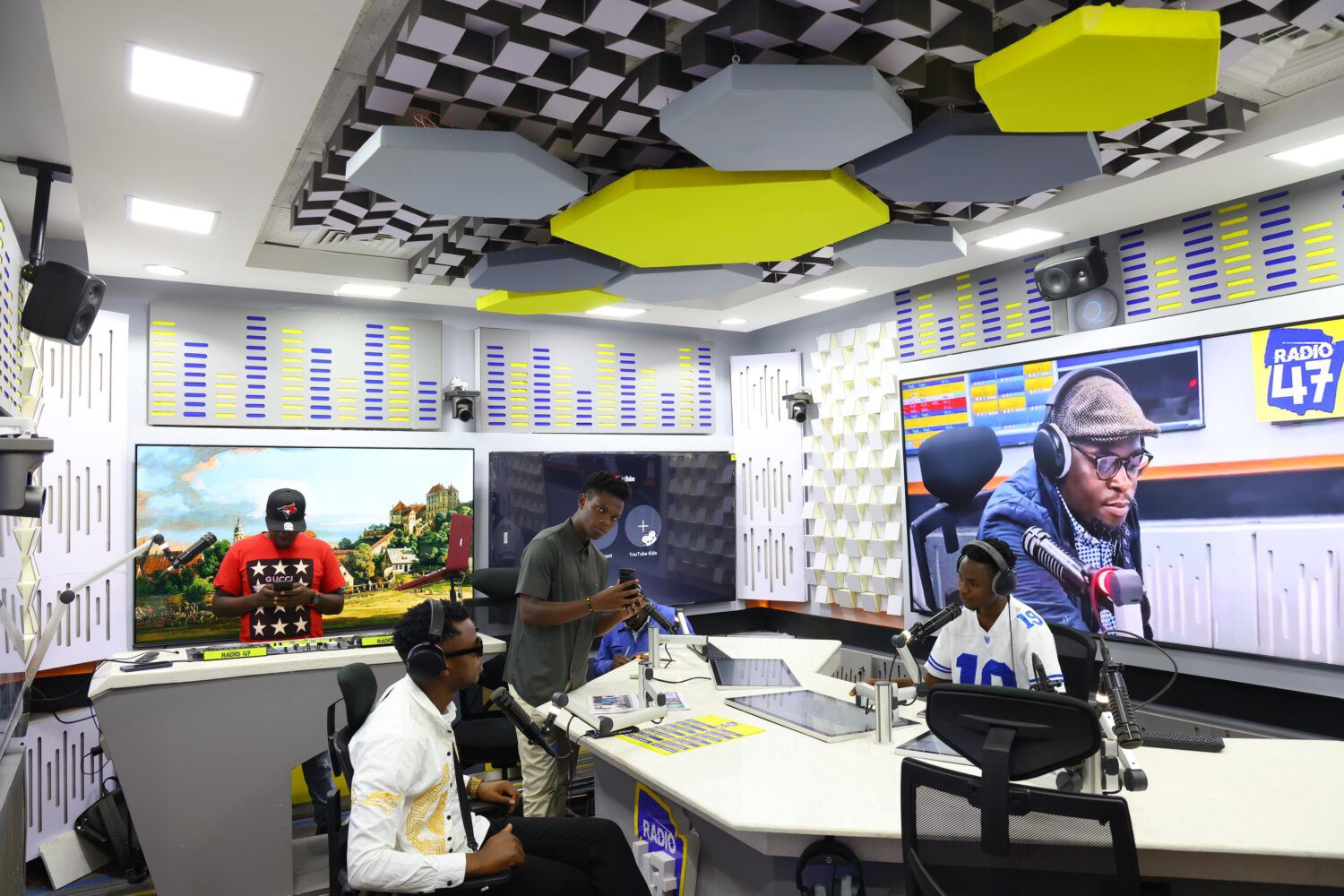
Kenya has officially entered the digital radio era following the launch of its first Digital Sound Broadcasting (DSB) trial, marking a significant step toward modernizing the country’s radio industry and easing pressure on the increasingly congested FM spectrum.
The pilot project, unveiled by the Communications Authority of Kenya (CA) on February 13 to coincide with World Radio Day 2026, introduces digital broadcasting technology in Nairobi as part of a phased national transition from traditional frequency modulation (FM) radio.
The move comes as Kenya’s FM band, which has served as the backbone of radio broadcasting for decades, faces mounting strain from overcrowding, particularly in major urban centers.
According to the regulator, FM frequencies within the VHF Band II range of 87.5 to 108.0 MHz are now largely saturated in high-demand areas, leaving limited room for new broadcasters while increasing signal interference and compromising audio quality.
Radio remains Kenya’s most accessible mass media platform, reaching an estimated 98% of households and supporting more than 300 licensed stations nationwide. However, growing demand for broadcasting licenses and better-quality transmission has pushed regulators to explore more efficient technologies.
Under a digital broadcasting framework developed in 2023 following consultations with broadcasters, signal distributors, technology providers, and industry stakeholders, Kenya is testing systems including Digital Audio Broadcasting Plus (DAB+) and Digital Radio Mondiale (DRM).
“FM frequencies in VHF Band II are saturated in major coverage areas, leaving little room for new broadcasters, increased interference and relatively poor audio quality,” the Communications Authority said in a statement.
These technologies allow multiple radio stations to broadcast through a single frequency block, significantly improving spectrum efficiency compared with FM, where each station requires a separate frequency allocation.
The transition gathered momentum in 2025 when Signet Signal Distributors Ltd and Mast Rental Services Ltd received authorization to establish digital radio networks.
In January 2026, Mast Rental Services launched the first DAB+ pilot network in Nairobi, currently transmitting 14 radio channels.
Industry analysts say digital broadcasting could transform Kenya’s radio sector by separating content production from transmission infrastructure.
This model would enable broadcasters to focus on programming while licensed signal distributors handle transmission networks, potentially reducing operational costs and lowering entry barriers for smaller and community-based stations.
The Communications Authority says digital radio is expected to offer clearer sound quality, reduced signal interruptions, more channel options, and value-added services such as on-screen program information and station metadata on compatible receivers.
“Broadcasters and investors stand to gain from wider program choice, lower barriers to entry, and new revenue opportunities,” the regulator noted, adding that reserved digital carriage capacity could be offered to community broadcasters at nominal costs.
Despite the launch, authorities emphasized that FM services will remain operational during the transition period.
No analogue radio switch-off date has been announced, with officials opting for a gradual rollout beginning along the Nairobi–Mombasa–Kisumu corridor before expanding nationwide.
During the 12-month pilot phase, regulators will assess network performance, coverage quality, affordability of digital receivers, and public awareness levels before determining next steps.
Kenya’s digital radio initiative follows its successful migration from analogue to digital television in 2015, a transition that significantly expanded access to free-to-air channels through DVB-T2 decoder technology.
With the latest move, Kenya joins a growing list of countries exploring digital broadcasting as the future of radio, positioning its media sector for greater innovation, content diversity, and investment opportunities in the years ahead.